Can ChatGPT Accurately Answer Legal Questions? Shockingly, No
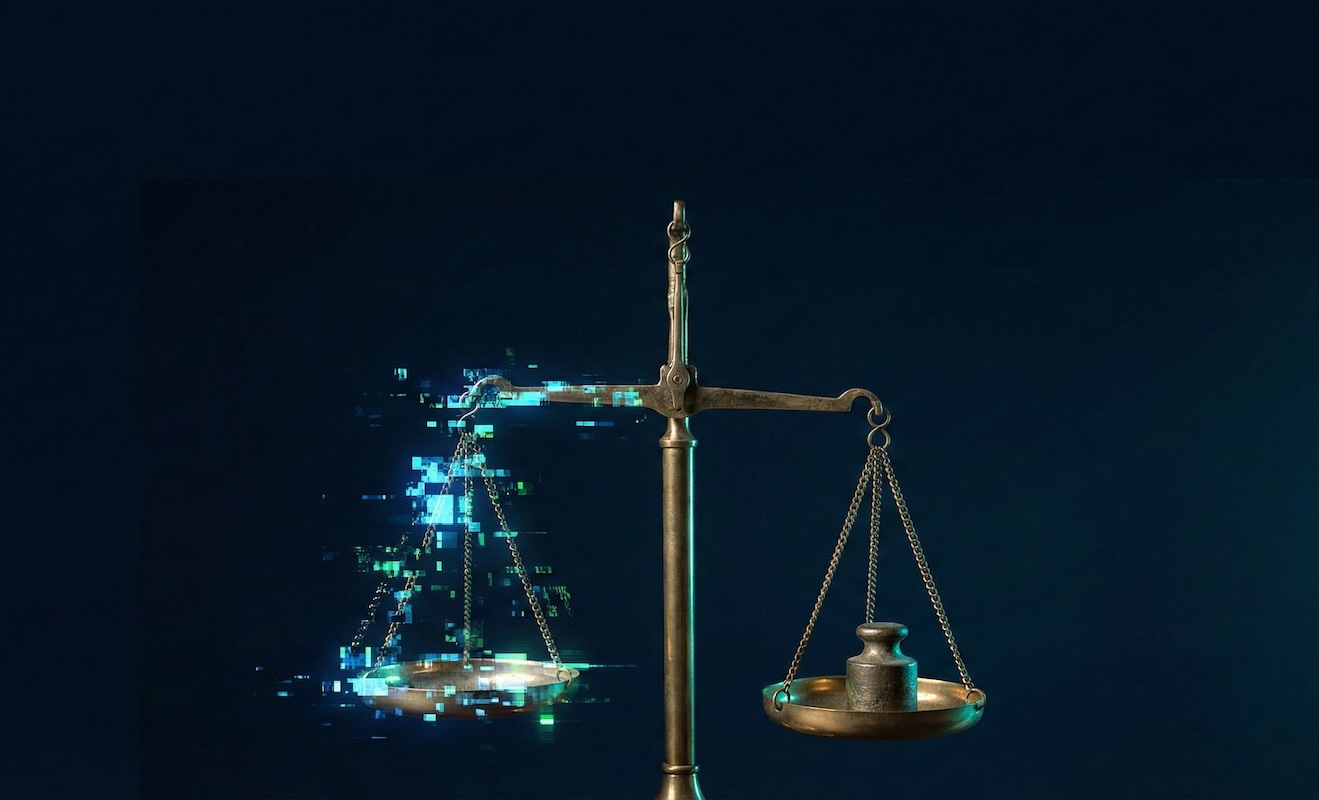
You’ve probably seen the headlines. AI is writing code, passing the Bar Exam, and composing sonnets. It’s natural to wonder if it can help you navigate a lawsuit.
When you’ve been injured, the last thing you want to do is talk to a salesperson. You want answers. You want to know if you have a case, what your claim is worth, and how to get the insurance company to stop calling you. So, typing a few questions into a chatbot at 11 PM feels like a smart, efficient move.
While ChatGPT is incredible at organizing data, asking it to manage a catastrophic injury claim is dangerous. In the high-stakes world of personal injury law, the difference between “data” and “strategy” is the difference between a dismissed case and a secured future.
Key Takeaways
- AI Invents Facts: Recent studies show that Large Language Models (LLMs) hallucinate legal facts and citations between 58% of the time, creating a massive risk for errors.
- Privacy Does Not Exist: Unlike a conversation with an attorney, your chats with AI are not privileged. OpenAI’s terms allow for data retention, meaning insurance defense lawyers could potentially subpoena your chat history to use against you.
- Information vs. Advice: AI is useful for defining terms (like “negligence”), but it cannot provide strategic advice on valuation or negotiation, often missing the specific nuances of local California court rules.
The Capability Gap: What AI Can (and Can’t) Do in Law
We aren’t going to tell you that technology is useless. That would be dishonest. AI is a tool, and like any tool, it has specific uses.
Think of ChatGPT as a very fast, very eager librarian who has read every book in the world but doesn’t understand what any of them actually mean.
If you need to know the definition of “tort reform” or find the address of the Los Angeles Superior Court, AI is fantastic. It can summarize long documents or help you understand dense legal jargon. If you ask, “What is the statute of limitations for personal injury in California?”, it will likely give you the correct general answer (two years).
But legal advice is different. Advice requires judgment. It requires knowing that even though the statute is two years, there are exceptions for government entities that cut your time down to six months. It requires knowing that a specific judge in Orange County hates certain types of motions.
AI cannot read the room. It cannot look at a jury and explain how a brain injury has fundamentally changed a father’s personality. It deals in averages, and your life is not an average.
The “Hallucination” Risk: When AI Invents the Law
There is a technical flaw in AI that ruins legal cases. It’s called “hallucination.”
These models are designed to predict the next likely word in a sentence. They are completion engines, not truth engines. If you ask for a case law citation that supports your argument, the AI wants to please you. So, it might just make one up.
This isn’t theoretical. In September 2025, a California appeals court sanctioned a lawyer $10,000 for submitting a brief filled with fake case citations generated by AI. The court found that 21 of the 23 citations were completely fabricated.
If a licensed attorney can get tricked into citing fake laws, imagine the risk for someone representing themselves. If you build your demand letter on a law that doesn’t exist, the insurance adjuster won’t just deny your claim. They will destroy your credibility.
3 Critical Risks of Using ChatGPT for Injury Claims
Beyond making up fake laws, there are deeper, structural reasons why relying on a chatbot for a serious injury claim creates vulnerability.
1. The Privacy Trap (Goodbye, Attorney-Client Privilege)
This is the one most people miss. When you talk to a lawyer at DK Law, that conversation is a vault. It is protected by the Attorney-Client Privilege. You can tell us, “I looked down at my phone right before the accident,” and we can prepare a defense for that.
If you tell that to ChatGPT, you may be creating evidence against yourself.
According to OpenAI’s privacy policy, your conversations can be stored and reviewed. In a lawsuit, the opposing counsel can demand “all documents and communications” related to the accident. If they find out you used AI, they could subpoena those logs. That late-night confession to the chatbot? It’s now Exhibit A for the defense.
2. The “Average” Bias vs. The Insurance Giants
Insurance companies use their own software to evaluate claims. Roughly 70% of insurers use a system like Colossus. This software is designed to minimize payouts by stripping away the human element and looking at codes.
If you use ChatGPT to write a demand letter, you are bringing a generic tool to a specialized fight. AI models are trained on internet data, which is an average of everything. But catastrophic injuries are outliers. AI might look at a “broken leg” and suggest a standard settlement figure. It doesn’t know how to calculate the lifetime cost of a specific L4-L5 fusion surgery that went wrong.
You end up asking for the “average” amount, leaving potentially millions of dollars on the table because the AI couldn’t calculate the true future cost of your care.
3. Lack of Emotional Intelligence
Legal battles are human battles. Settlements and verdicts are driven by how an injury affects a human life.
AI cannot understand pain. It cannot quantify the loss of enjoyment of life. It can list medical bills, sure. But it cannot construct the narrative of how a TBI destroyed a family’s dynamic or how a spinal injury took away a client’s ability to hold their child.
That narrative is what drives value. A chatbot writes like a robot. Insurance adjusters spot these AI-written letters instantly. It signals to them that you are unrepresented, looking for a quick fix, and don’t have a professional willing to take the case to trial. That usually leads to a lowball offer.
The California Context: Nuances AI Misses
Law is incredibly local. What works in New York doesn’t work here. California has specific statutes that AI often glosses over or gets outdated.
For example, does the current version of ChatGPT know the exact, recent changes to MICRA caps on medical malpractice damages? Does it understand California’s “pure comparative negligence” rules? If you were 10% at fault in a pileup on the 405, the math on your recovery gets complicated.
A study by the Stanford RegLab found that AI struggles significantly with this kind of specific, jurisdictional nuance. Relying on it means you might be operating under laws that expired three years ago.
The Turing Test of Law: When to Call DK Law
We aren’t saying you should never use AI. It’s a great starting point for research. But you need to know where the line is.
- Simple Question: “What is a deposition?” -> AI is fine.
- Complex Question: “Is my settlement offer fair?” -> You need a Human.
- Crisis: “I was just hit by a drunk driver.” -> You need a Human immediately.
The California legislature is clear on this: practicing law requires a license for a reason. Business & Professions Code § 6125 prohibits the unauthorized practice of law to protect the public from incompetence. When you rely on AI, you are effectively getting advice from an entity that has no license, no malpractice insurance, and no accountability if it ruins your case.
A consultation with DK Law costs you nothing. It’s just as fast as typing a prompt, but it comes with confidentiality, accountability, and the strategic aggression needed to win against billion-dollar insurance carriers. Don’t let a chatbot gamble with your recovery.
DK All the way


From Your Case to Compensation, we take your case all the way.
Schedule a Free Consultation
Get Expert Legal Advice at Zero Cost.
At DK Law we’re with you – all the way.
Get a Free Consultation with our experts today!

No comments:
Post a Comment