Best Legal Advice After a Car Crash in California
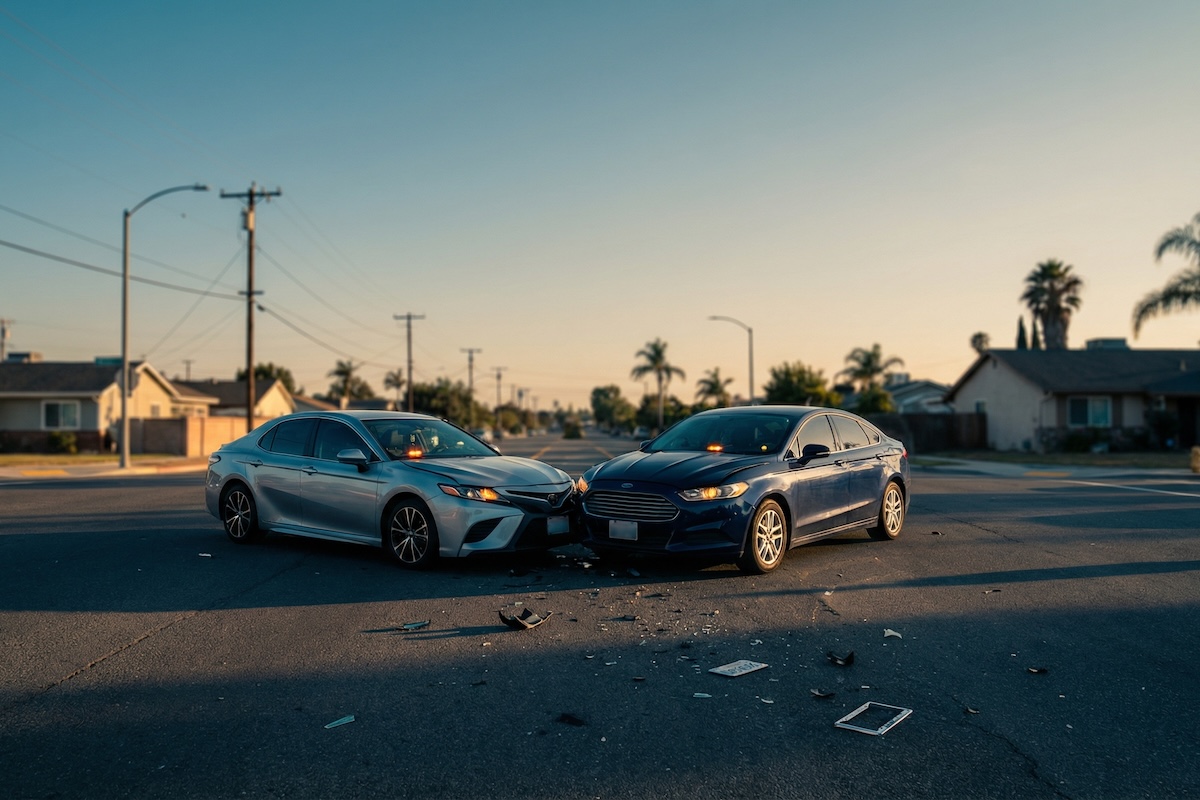
That friendly voice calling you six hours after your crash? They’re not checking on you. They’re from the other driver’s insurance company, and most insurers will actually use these early recorded statements to shrink what they pay you. They call when you’re medicated, exhausted, and too rattled to think about what you’re agreeing to.
This guide covers the legal side of every decision you’ll face in the hours and days after a California car crash. Not the obvious stuff. The stuff that quietly destroys or protects your claim before you even know you have one.
Key Takeaways
- Never give a recorded statement without an attorney. People who do settle for 3.5 times less than those who don’t. The adjuster calling you is not on your side.
- You have 24 to 72 hours before critical evidence disappears. Witness memory drops 50% within 48 hours, skid marks get swept away, and nearby security cameras overwrite footage on 7 to 30-day cycles.
- California’s comparative negligence law means partial fault doesn’t kill your case. You can recover damages even if you’re 99% at fault, which is why admitting anything at the scene is a terrible idea.
- Lawyers increase settlements by an average of 3.5x after fees. A $15,000 self-negotiated settlement often becomes $31,000 to $35,000 net with representation. But for minor property-only claims, you probably don’t need one.
The First Hour: Legal Triage at the Accident Scene
Everything you say and do in the first hour has legal consequences, even when it feels like you’re just being polite.
What Should You Say at the Scene? (And What Should You Never Say?)
You just got hit. Adrenaline’s pumping. A stranger walks over looking upset, and your instinct is to say “I’m so sorry, are you okay?” or “I didn’t even see you” or “my bad, I was looking at my phone for one second.”
All of those are admissions. They end up in police reports. Insurance adjusters use them.
California follows pure comparative negligence, meaning your compensation gets reduced by your percentage of fault. Say something that sounds like you’re accepting blame, and that percentage climbs fast.
What you should actually say: “Are you hurt? I’ve called 911.” That’s it. Exchange names, insurance info, and phone numbers. Be calm. Be polite. Don’t narrate what happened. To the police officer, stick to facts you’re certain about and know that “I’m not sure” is a perfectly valid answer.
The 3 Photos Most People Forget to Take
You know to photograph damage to the cars. But three categories of photos matter way more for your claim:
- The full scene layout. Wide enough to capture traffic signals, stop signs, lane markings, and the positions of both vehicles relative to the road. Physical scene evidence disappears within 24 to 72 hours once road crews and weather do their thing.
- The other driver’s documents. License plate, insurance card, driver’s license. Actual photos, not a mental note. People give fake info at accident scenes more than you’d think.
- Your injuries, starting now. Photograph everything, even minor stuff, at the scene and then every day for two weeks. Soft tissue injuries often look worse at day five than day one, and those photos become evidence.
NEVER Say “I’m Fine” After an Accident
Adrenaline is deceptive.
People walk away from car accidents with fractured vertebrae, completely unaware of the pain their body is masking. They tell the police officer, “I’m fine,” and that goes straight into the accident report. Three days later, they can barely get out of bed, and now the insurance company points to the police report and argues the injury happened after the crash.
Soft tissue injuries like whiplash make up 65% of all car accident injury claims, and insurers dispute them 43% of the time. Saying “I’m fine” at the scene hands them free ammunition. Say “I’m not sure yet” or “I’m going to get checked out.” Then actually do it.
Hours 1 to 24: How Do You Protect Evidence Before It Vanishes?
Evidence starts degrading the second the accident happens. Eyewitness memory drops roughly 50% within 48 to 72 hours. Surveillance footage gets overwritten. Skid marks get rained on.
Here’s what to prioritize, in order:
- Get medical attention the same day. A treatment gap of more than 14 days tanks your claim credibility by 60%. Past 30 days, they’ll deny causation outright.
- Contact witnesses within 48 hours. Get names, numbers, and a brief description of what they saw. By next week, their memory will be down to about 25% accuracy.
- Request surveillance footage from nearby businesses. 72% need a formal written request to preserve footage beyond their normal retention cycle, so follow up in writing.
- Order your police report. California makes collision reports available through CHP’s online portal for $5, usually within 10 to 14 business days.
- Lock down your social media. Posts are used in 68% of disputed injury claims. A barbecue photo two weeks after your “debilitating” back injury can reduce your settlement by 41%. Set everything to private or stop posting until your case resolves.
What Medical Documentation Actually Matters in Court?
Not all medical records carry equal weight. Here’s what moves the needle:
- Mechanism of injury. ER records that describe how the crash caused your specific injury, the forces involved, and your position in the vehicle.
- Consistent treatment records. Every appointment, every follow-up, every prescription. Gaps give insurers room to argue your injuries aren’t that serious.
Days 1 to 3: How Do You Navigate the Insurance Minefield?
The insurance adjuster will contact you. Probably already has. Understanding what they’re actually doing changes everything.
The Recorded Statement Trap
The adjuster sounds friendly. Sympathetic, even. They ask you to describe what happened “in your own words” and mention they’re recording so they “don’t miss anything.”
Every one of those questions is designed to lock you into a version of events before you understand your injuries or the legal picture. You’re two days post-crash, maybe on pain meds, and you don’t know the full extent of your injuries yet. Whatever you say becomes the baseline they use to minimize your claim for the next year.
You’re not legally required to give a recorded statement to the other driver’s insurance company in California. Say: “I’m not ready to give a statement right now. I’m still receiving medical treatment.”
Your own insurer is different. Your policy may require cooperation, but you can ask for questions in writing and take time to respond carefully.
When Does “Don’t Talk to Insurance” Actually Apply?
You do need to report the accident to your own insurer. Most policies require it within a reasonable timeframe. Report the basics: date, location, other driver’s info. Then stop. Don’t agree to a recorded interview, accept a quick settlement, or sign any release forms during that first call.
The other driver’s insurance? You owe them nothing. No statement. No medical records. No signed releases.
Do You Actually Need a Lawyer After a Car Accident?
Honest answer: not always.
The Dollar Threshold: When It’s Worth It vs. When It’s Not
Attorneys work on contingency, typically 33% pre-lawsuit and 40% if they file one. The data says they increase settlements by an average of 3.5 times, even after fees. A $15,000 insurance offer often becomes $52,500 gross, leaving you $31,000 to $35,000 after the attorney’s cut.
But for a fender bender with no injuries and $3,000 in bumper damage? Handle it yourself. California’s small claims court covers cases up to $10,000, and property-only claims typically settle within 30 to 60 days.
The breakpoint: if medical bills exceed $5,000, liability is disputed, or you’re dealing with any injury requiring ongoing treatment, the numbers strongly favor representation.
What Are the Red Flags That Mean “Get an Attorney Now”?
- The insurance company is delaying or going silent. Bad-faith complaints in California jumped 22% from 2022 to 2023. If your adjuster disappears, gets reassigned mid-claim, or keeps requesting the same documents, that’s not incompetence.
- A rideshare was involved. Uber and Lyft accidents create three overlapping insurance policies and inter-company liability disputes that almost always require an attorney.
- Your injuries are still developing. Surgery, ongoing physical therapy, and symptoms that haven’t stabilized. You don’t know the full cost of your injury yet, and accepting early is permanent.
How Do You Tell a Good Lawyer From a Bad One?
Telling the difference between a real advocate and a settlement mill takes the right questions. We put together a full breakdown: 7 Questions to Ask Before Hiring a Car Accident Lawyer.
What Happens If You Do Nothing?
California’s minimum liability coverage hasn’t changed since 1967, sitting at $15,000 per person for bodily injury. Average medical costs for a moderate car accident hit $42,000 in 2024. The math doesn’t work unless you push back.
The decisions you make in the first 72 hours set the ceiling on what you can recover. Good decisions mean options. Bad ones mean accepting whatever the insurance company decides you’re worth.
If you’ve been injured in a car accident in California, DK Law offers free consultations at over 13 locations across the state. No upfront costs. No pressure. Just a straightforward evaluation of what your case is actually worth.
DK All the way


From Your Case to Compensation, we take your case all the way.
Schedule a Free Consultation
Get Expert Legal Advice at Zero Cost.
At DK Law we’re with you – all the way.
Get a Free Consultation with our experts today!

No comments:
Post a Comment