Should You See a Physical Therapist After a Car Accident?
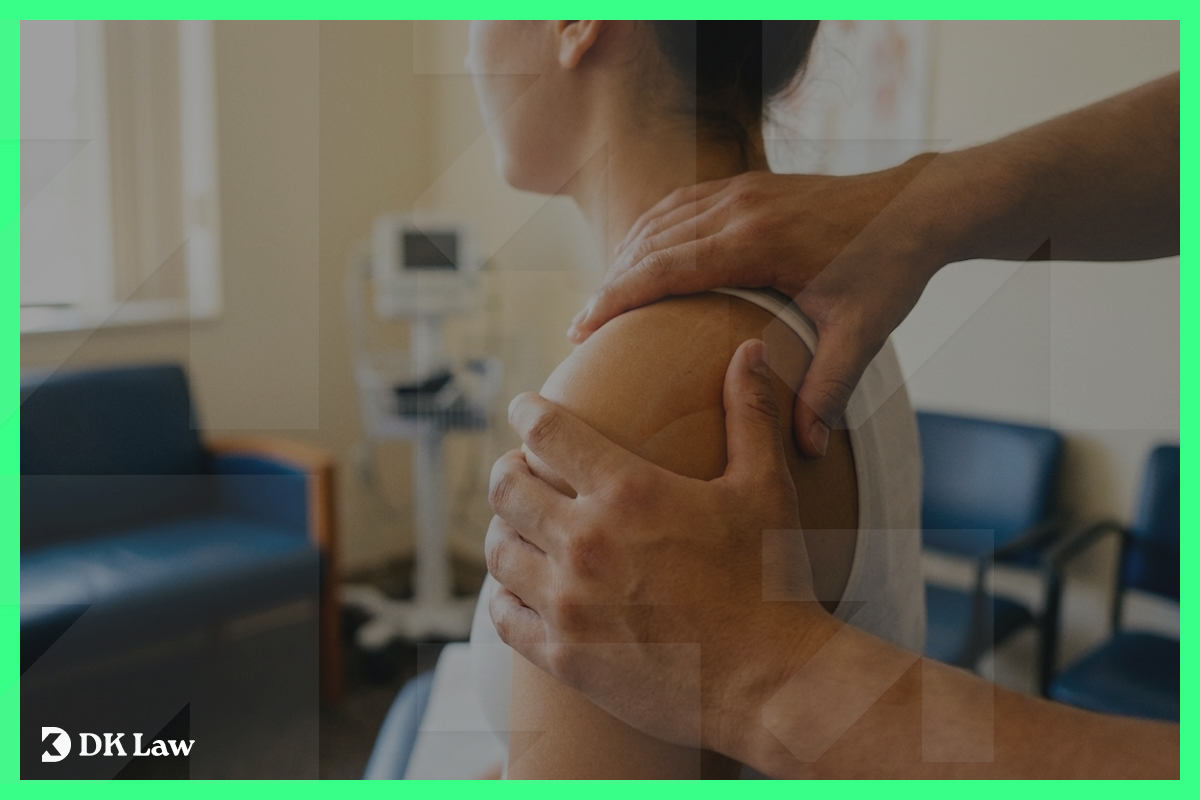
Physical therapy is the treatment most crash injuries actually need, and it’s more accessible than most people realize. If you’ve got lingering neck, back, or soft-tissue pain after a collision, a physical therapist is often the right person to see. Two questions usually get in the way: do you need a doctor’s referral first, and how is this different from going to a chiropractor? Both have straightforward answers.
Key Takeaways
- You no longer need a physician referral to see a physical therapist. Every US state allows some form of direct access as of 2025.
- Physical therapy is active and exercise-based. That’s the main thing separating it from chiropractic care, which centers on spinal adjustment.
- Starting sooner is linked to less imaging, fewer injections, and lower odds of ending up on opioids, though the strongest data comes from back pain.
- Mild strains often heal on their own. PT earns its place when symptoms are limiting you or aren’t improving.
Do you need a referral to see a physical therapist?
No, at least not to get in the door. As of 2025, all fifty states allow direct access to a physical therapist, meaning you can book an evaluation and start treatment without a doctor sending you first.
Two caveats keep this from being as simple as it sounds. A lot of states allow only “provisional” direct access, with limits like a cap on visits or a time window before you need a physician’s sign-off. And access and payment are different things. Your insurance might still require a referral to cover the visits, and Medicare keeps a physician involved in the plan of care even though it technically allows direct access. So you can usually start on your own. Whether your plan pays without a referral is worth a phone call first.
What does physical therapy after a car accident involve?
It starts with an assessment. The therapist works out what’s injured, what moves, what hurts, and what you need to get back to. Then comes the actual work, which is more varied than most people picture. A typical program pulls from a few buckets, and each one does a different job.
Stretching and range-of-motion. After an injury, muscles guard, and joints stiffen, and that stiffness turns into its own source of pain. Gentle stretching and mobility work give back the movement you lost. This is usually where things start, because you can’t strengthen a joint you can’t move.
Strengthening. Injured and guarded muscles get weak fast, and weak muscles leave the hurt area unprotected. Targeted strengthening rebuilds them so your neck or back isn’t leaning on the wrong muscles to get through the day.
Core and stabilization work. This is the part people underrate. The deep muscles around your spine and trunk work like a built-in brace. When they’re doing their job, the injured neck or back isn’t carrying the whole load, and you’re much less likely to slide into the chronic, comes-and-goes pain that outlasts the original injury. Stabilization training wakes those muscles back up and teaches them to fire at the right moment.
Manual therapy. Hands-on mobilization of stiff joints and tight tissue, usually used alongside the exercises to make movement easier and less guarded.
Education and a home program. The therapist explains what’s happening and why moving helps, then gives you exercises to do on your own. The clinic sessions only work if you keep at them between visits.
The whole model is active. You’re not lying on a table receiving treatment so much as being coached back to function.
Physical therapist or chiropractor?
Both are licensed, doctoral-trained professions, and both treat musculoskeletal pain, so the overlap is real. The difference is emphasis. Chiropractic care centers on spinal manipulation and alignment. Physical therapy centers on movement, exercise, and functional recovery, though plenty of physical therapists also do hands-on manual work.
Neither is automatically better. They’re different tools. For most soft-tissue crash injuries, where the evidence points toward staying active and rebuilding strength, PT’s exercise-first approach lines up well with what helps. If you’re deciding between the two, the chiropractor question is worth its own look.
Does starting physical therapy sooner help?
Probably yes, with a caveat about where the evidence comes from. Patients who start PT early for recent-onset low back pain tend to use less downstream care, and early PT is linked to a lower chance of long-term opioid use across several common pain types. For neck pain specifically, people who delayed physical therapy were far more likely to end up getting spinal injections and opioid prescriptions than those who started early.
The catch: much of the strongest cost-and-outcome data is from back pain, not whiplash specifically, so treat “earlier is better” as a well-supported lean rather than an ironclad rule. And plenty of minor strains get better without any formal therapy at all. PT is worth it when your symptoms are actually limiting you, when they aren’t improving on the expected timeline, or when you’ve got the risk factors for a longer recovery.
How long and how much?
For a typical soft-tissue injury, a course of PT often runs a couple of sessions a week for six to eight weeks, adjusted to how you respond. Costs vary widely and depend heavily on insurance. Out of pocket, sessions commonly land somewhere in the range of $75 to $150, with the first evaluation higher, though those are rough market figures rather than fixed prices. With coverage, a per-visit copay is more typical. Ask about the total expected course up front so the number doesn’t surprise you halfway through.
If you’re making an injury claim, the paper trail from consistent treatment matters too. What your medical records actually say about your injury and your progress can carry more weight than the number of visits, which is one more reason to follow the plan and keep the documentation clean.
This article is general information, not medical or legal advice. For care, see a licensed medical professional.
If a car accident in California left you with an injury that needs ongoing treatment, and you’re trying to understand how that fits with a claim, DK Law can help you understand your options. Contact us for a free consultation.
DK All the way


From Your Case to Compensation, we take your case all the way.
Schedule a Free Consultation
Get Expert Legal Advice at Zero Cost.
At DK Law we’re with you – all the way.
Get a Free Consultation with our experts today!

No comments:
Post a Comment