How Much Compensation Can You Get for Anxiety After a Car Accident?
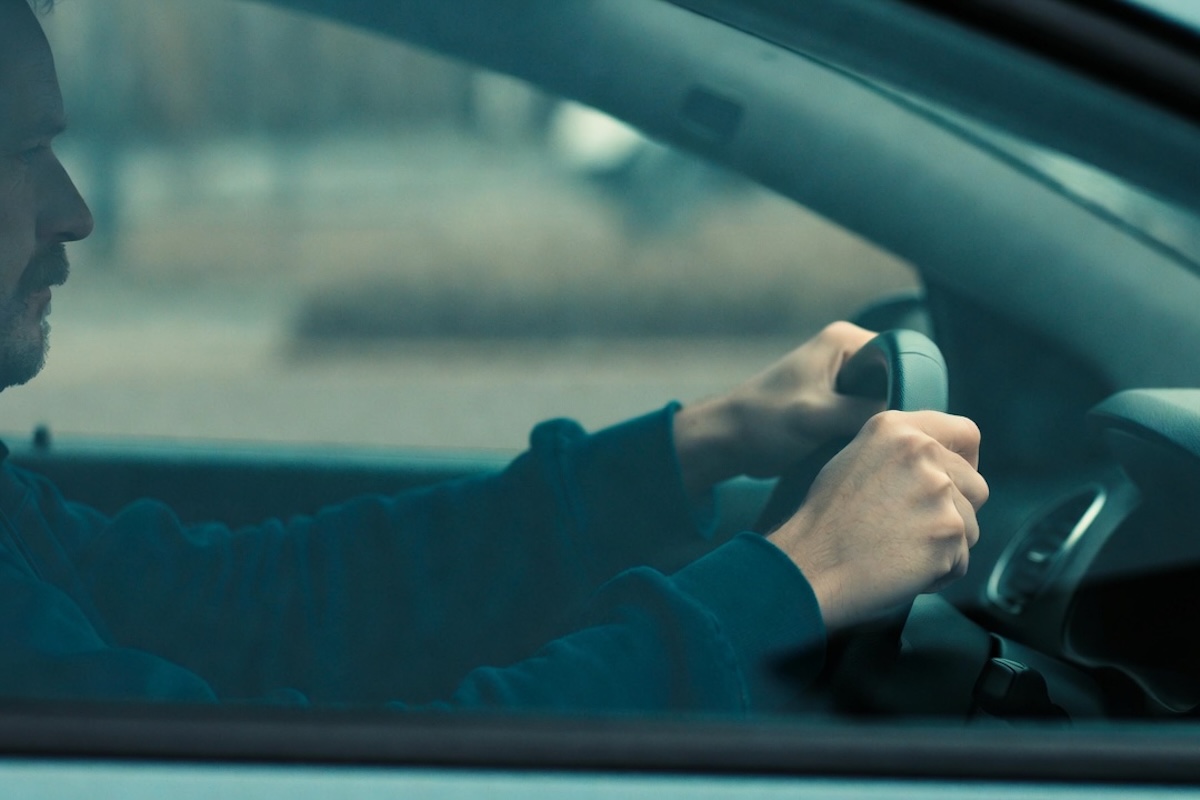
Most people assume car accident settlements are strictly for hospital bills and car repairs. But in California, the law actually recognizes that a crash breaks your peace of mind just as easily as it breaks a bone.
The insurance companies know this. They just hope you don’t. If you’re losing sleep, having flashbacks, or avoiding the freeway entirely, you aren’t just “nervous.” You likely have a valid legal claim for emotional distress.
Key Takeaways
- Anxiety is a “Non-economic Damage”: California law explicitly lists mental suffering and emotional distress as compensable injuries, separate from your medical bills.
- Settlement Values Vary Wildly: Mild anxiety might add $2,000 to a claim, while severe PTSD can push settlements over $50,000, depending on how much it disrupts your daily life.
- The “Eggshell” Rule Protects You: Even if you had anxiety before the crash, the at-fault driver is liable if the accident made your condition worse.
- Documentation Wins Cases: You can’t just say you’re stressed. You need therapy records, prescription history, or a daily journal to prove the impact.
Average Settlement Amounts for Car Accident Anxiety
The numbers. The hard truth is that there’s no official “price list” for anxiety. A jury is simply instructed to use their common sense to decide a reasonable amount for your suffering. Looking at historical data gives us a realistic baseline, though.
Bureau of Justice Statistics data shows median tort awards of around $24,000 for all civil trial cases. Motor vehicle accidents tend to settle for lower amounts, with median awards between $15,000 and $18,000. But that includes fender-benders with minimal injuries.
For anxiety specifically, attorneys and insurance adjusters often estimate value using what’s called the “Multiplier Method.” They take your economic damages (medical bills, lost wages) and multiply them by a number between 1.5 and 5, depending on severity. This isn’t a formal legal standard, but it’s a widely used rule of thumb.
Mild to Moderate Anxiety ($2,000 – $15,000)
This is for temporary distress. Maybe you were nervous driving for a few weeks, or you had a brief bout of insomnia. If your physical injuries were minor and you didn’t require long-term therapy, adjusters typically use a lower multiplier (1.5x or 2x).
Severe Anxiety & PTSD ($20,000 – $75,000+)
This category is for when the accident fundamentally changes how you live. Research shows roughly 25-33% of motor vehicle accident survivors develop PTSD when assessed one to four months after the crash. If you have a formal diagnosis, require medication, or can no longer drive to work, the value spikes. In these cases, the emotional trauma is often “worth” more than the physical injury.
What Counts as “Compensable Anxiety” in California?
You can’t sue someone just because they annoyed you. To get paid for anxiety, it has to cross the line into a legal injury.
California Civil Code § 1431.2(b)(2) specifically defines noneconomic damages to include “subjective, non-monetary losses including… mental suffering, emotional distress, [and] loss of enjoyment of life.”
So, what does that actually look like?
Physical Manifestations
The courts take emotional distress more seriously when it affects your body.
- Panic attacks behind the wheel
- Chronic insomnia or nightmares about the crash
- New digestive issues or weight loss caused by stress
Behavioral Changes (Avoidance)
This is a big one. If you used to drive on the highway every day but now take surface streets, adding 30 minutes to your commute because you’re terrified of speed, that’s “loss of enjoyment of life.”
Clinical Diagnosis
A doctor’s note matters. Symptoms of PTSD, like intrusive thoughts, flashbacks, or extreme reactivity, validate that your condition is medical, not just a temporary mood.
Is Anxiety the Same as “Pain and Suffering”?
People search for these terms separately, but California law treats them as part of the same bucket.
The California Supreme Court explained this in Capelouto v. Kaiser Foundation Hospitals (1972). The court held that “pain and suffering” is really just a convenient label covering a whole range of experiences: physical pain, fright, nervousness, grief, anxiety, worry, shock, humiliation, and more.
What this means for your case: you don’t file separate claims for “anxiety” and “pain and suffering.” They’re both non-economic damages, and a jury awards one lump sum for all of it. Your attorney will present evidence of everything you’ve experienced, from the physical pain of your injuries to the anxiety that keeps you up at night, and the jury decides a total amount.
The practical difference? Documentation. Physical pain often has medical records backing it up automatically. Anxiety requires more intentional proof, like therapy notes, prescriptions, or a daily journal showing how your life has changed.
Does a Pre-Existing Condition Ruin My Claim?
A lot of clients hesitate to file a claim because they were already seeing a therapist before the accident. They think, “Well, I was already anxious, so the insurance company won’t pay.”
That’s actually incorrect.
California follows the “Unusually Susceptible Plaintiff” rule, often called the Eggshell Skull doctrine. The jury instructions are clear: a defendant must pay for the full extent of the injury, even if the plaintiff was more susceptible to injury than a normally healthy person.
If you had manageable anxiety before the crash, and the accident turned it into debilitating PTSD, the other driver is responsible for that aggravation. They don’t get a discount just because you were already vulnerable.
How to Prove and Document Your Anxiety
Insurance adjusters are trained to be skeptical. If you say you have anxiety, but you never went to a doctor, they’ll argue you’re faking it to get a higher payout. You need proof.
1. Seek Professional Help
See a therapist, counselor, or psychologist. Their notes provide the objective evidence required by law. If you’re worried about the cost, remember that your medical payments coverage (MedPay) often covers reasonable medical expenses, including mental health.
2. Keep a Pain Journal
This sounds simple, but it works. Write down moments when you feel anxious or affected by your injuries.
- Vague entry: “I felt sad today.”
- Specific entry: “Tuesday, Oct 12. Tried to drive to the grocery store. Had a panic attack at the intersection of Main and 4th. Had to pull over and call my husband to pick me up.”
Specific examples are hard for insurance companies to refute.
3. Gather Witness Statements
Ask your friends or family to write a statement about how you’ve changed. A statement from a spouse saying, “He used to be outgoing, but now he isolates himself in the bedroom,” is powerful evidence.
Frequently Asked Questions
Can I claim for anxiety without physical injury?
Yes, but it’s harder. California generally requires you to be a “Direct Victim” where the negligence caused the distress. If you were just a bystander witnessing a crash, you usually must be closely related to the victim and present at the scene to recover damages under bystander negligence rules.
Is the settlement money taxable?
The IRS has strict rules here. According to IRS Publication 4345, settlement money for emotional distress is taxable unless the distress originated from a physical injury. If you broke your arm and developed anxiety because of it, the money for the anxiety is usually tax-free. If you had no physical injury, you might have to pay taxes on the settlement.
How long do I have to file a claim?
You don’t have forever. The statute of limitations for personal injury in California is two years from the date of the accident. If you wait, hoping the anxiety goes away, and you miss that deadline, you get nothing.
Get Help With Your Claim
Anxiety might not show up on an X-ray, but it stops you from living your life just as effectively as a back injury does. You shouldn’t have to pay for the therapy bills caused by someone else’s bad driving.
The insurance company will try to minimize your feelings. They’ll tell you it’s “just stress.” But you know the difference between a bad day and a life altered by trauma.
If you’re struggling to get back behind the wheel, we can help you figure out what your peace of mind is actually worth.
Contact DK Law today for a free consultation. We’ll handle the fight with the insurance company so you can focus on getting better.
DK All the way


From Your Case to Compensation, we take your case all the way.
Schedule a Free Consultation
Get Expert Legal Advice at Zero Cost.
At DK Law we’re with you – all the way.
Get a Free Consultation with our experts today!

No comments:
Post a Comment